Introduction
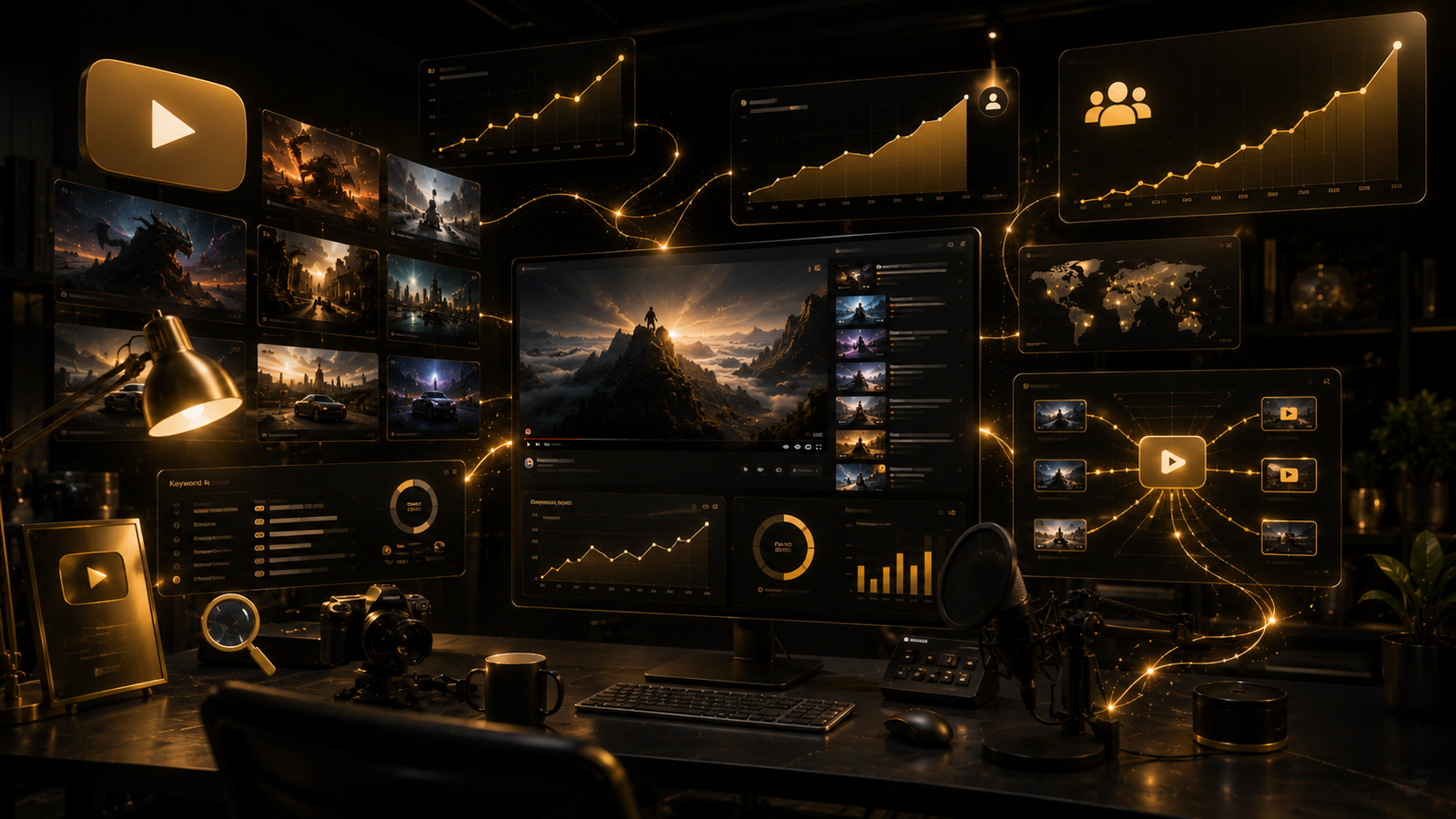
YouTube is the second largest search engine in the world. Yet most YouTube creators focus entirely on creating content and ignore the optimization work that determines whether their videos get discovered organically.
YouTube SEO is the practice of optimizing your videos, channel, and content strategy so that YouTube's algorithm recommends your content to the right audience.
Why This Topic Matters for Your Business
Businesses that use YouTube effectively generate leads, build authority, and create evergreen content that continues attracting views months and years after publication.
For product and service businesses, YouTube serves two critical functions. First, it captures search intent: people actively looking for information about your product or service. Second, it builds trust: video content creates a personal connection that text and images cannot match.
Core Concepts
### Keyword Research for YouTube
Start by identifying the search terms your target audience uses on YouTube. Type your primary topic into YouTube's search bar and observe the autocomplete suggestions. These represent actual searches real users are making.
Use YouTube's search results to evaluate competition. If the top results are from major channels with millions of subscribers, ranking as a new channel will be difficult. Look for long-tail variations with lower competition.
### Video Title Optimization
Your video title is the most important piece of metadata. It tells both the algorithm and potential viewers what your video is about.
Effective titles include the primary keyword near the beginning, clearly communicate the value of watching, and create curiosity without being misleading. Titles between 50 and 70 characters tend to perform best.
### Descriptions and Tags
Your video description should be at least 200 words of genuine, helpful content. Include your primary keyword naturally in the first two sentences. Add timestamps for key sections and links to related resources.
Tags help YouTube understand the context of your video. Use your primary keyword as the first tag, followed by variations and related topics.
### Thumbnails That Get Clicks
Your thumbnail determines whether anyone clicks on your video. Effective thumbnails use high-contrast colors, readable text overlays, expressive faces or clear product images, and consistent branding.
### Watch Time and Engagement Signals
YouTube's algorithm prioritizes watch time. A video with high watch time signals that viewers find it valuable. Structure your videos to maximize watch time: open with a clear hook, deliver on your promise throughout, and end with a call to action.
Engagement signals including likes, comments, shares, and subscribes also influence ranking. Videos that generate discussion indicate content that resonates.
### Channel-Level Optimization
Your channel description, keywords, and playlist organization all influence how YouTube categorizes and recommends your content. Organize videos into playlists grouped by topic. Playlists increase session watch time because viewers continue watching related videos automatically.
Practical Business Examples
A digital marketing agency created YouTube tutorials covering common marketing topics. Each video was optimized with keyword-targeted titles, detailed descriptions, and custom thumbnails. Within six months, their videos appeared on the first page of YouTube search for several target keywords, generating a steady stream of inbound enquiries.
An architecture firm shared project walkthrough videos. They optimized each title with location-specific keywords and created playlists by project type. Their channel became a portfolio that generated client enquiries directly.
Common Mistakes
Ignoring search intent. Creating content that does not match what searchers are looking for leads to poor watch time.
Neglecting thumbnails. A poorly designed thumbnail is the fastest way to lose potential viewers.
Inconsistent upload schedule. YouTube rewards channels that upload regularly.
Not using end screens and cards. These features guide viewers to watch more of your content.
Best Practices
Research before you create. Identify high-potential keywords before planning content.
Optimize before publishing. Complete all metadata before making the video public.
Use chapters and timestamps. They improve viewer experience and can appear as sitelinks in Google search.
Analyze and iterate. Review YouTube Analytics monthly. Identify your top-performing videos and create more content following those patterns.
Step-by-Step Framework
Phase 1: Channel Foundation
- Complete your channel profile with professional branding.
- Write a keyword-rich channel description.
- Organize content into topic-based playlists.
Phase 2: Content Planning
- Research keywords using YouTube search suggestions.
- Identify topics with manageable competition.
- Plan a content calendar with at least four videos per month.
Phase 3: Production and Optimization
- Record and edit with attention to pacing and retention.
- Create custom thumbnails with consistent branding.
- Write optimized titles and detailed descriptions.
- Add relevant tags starting with primary keyword.
Phase 4: Publishing and Promotion
- Publish during your audience's peak viewing hours.
- Add end screens and cards.
- Share across all marketing channels.
Actionable Checklist
- Channel profile fully optimized with branding and description
- Keyword research completed before video production
- Video titles optimized with primary keyword and clear value
- Descriptions written with 200+ words, timestamps, and links
- Custom thumbnails created with consistent branding
- End screens and cards added to every video
- Videos organized into topic-based playlists
- Consistent upload schedule established
- YouTube Analytics reviewed monthly
- Cross-promotion performed for every new video
Key Takeaways
YouTube SEO is about making your content discoverable by the people who need it. The fundamentals are keyword research, optimized metadata, compelling thumbnails, and content that holds viewer attention.
YouTube rewards channels that consistently deliver value. Focus on creating genuinely helpful content, optimizing every element of your metadata, and building a library of videos that work together. The investment compounds over time.